Loading...
Loading...





The term 'Prince' originates from the Latin word 'princeps', meaning 'first' or 'chief'. Historically, it was used to denote a ruler or leader, particularly in the context of nobility and royal hierarchies. The concept of a prince has roots in various cultures, including European monarchies, where it signified a title of nobility and authority, often associated with governance and royal lineage.
Traditionally, 'Prince' symbolizes nobility, leadership, and authority. It is often linked to the idea of a rightful heir to a throne or a figure of power. Over time, its meaning has evolved, with modern interpretations sometimes including connotations of privilege, responsibility, and even a sense of youthful promise, especially in popular culture.
In contemporary usage, 'Prince' remains popular as a first name and title, especially in Western cultures. Its popularity has seen fluctuations, with notable surges during the 1980s, partly due to the influence of the musician Prince. Variants of the name include 'Prinz' in German-speaking countries and 'Principe' in Italian and Spanish. Common nicknames include 'P' or 'Princey'.
Important historical figures associated with the title 'Prince' include Prince Henry the Navigator of Portugal, who played a crucial role in the Age of Discovery. Additionally, mythological references such as Prince Charming from fairy tales highlight the archetype of the ideal hero. These figures have shaped the cultural perception of princes as symbols of adventure, valor, and romantic ideals.
The term 'Prince' originates from the Latin word 'princeps', meaning 'first' or 'chief'. Historically, it was used to denote a ruler or leader, particularly in the context of nobility and royal hierarchies. The concept of a prince has roots in various cultures, including European monarchies, where it signified a title of nobility and authority, often associated with governance and royal lineage.
Traditionally, 'Prince' symbolizes nobility, leadership, and authority. It is often linked to the idea of a rightful heir to a throne or a figure of power. Over time, its meaning has evolved, with modern interpretations sometimes including connotations of privilege, responsibility, and even a sense of youthful promise, especially in popular culture.
In contemporary usage, 'Prince' remains popular as a first name and title, especially in Western cultures. Its popularity has seen fluctuations, with notable surges during the 1980s, partly due to the influence of the musician Prince. Variants of the name include 'Prinz' in German-speaking countries and 'Principe' in Italian and Spanish. Common nicknames include 'P' or 'Princey'.
Important historical figures associated with the title 'Prince' include Prince Henry the Navigator of Portugal, who played a crucial role in the Age of Discovery. Additionally, mythological references such as Prince Charming from fairy tales highlight the archetype of the ideal hero. These figures have shaped the cultural perception of princes as symbols of adventure, valor, and romantic ideals.

Prince Philip, Duke of Edinburgh, was the husband of Queen Elizabeth II and a prominent royal figure in the United Kingdom. He played a crucial role in modernizing the British monarchy and was known for his dedication to public service, supporting numerous charities and organizations, particularly in youth development and environmental conservation.
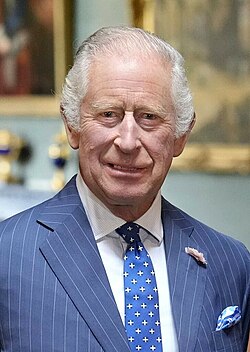
Prince Charles, the Prince of Wales, is the eldest son of Queen Elizabeth II and heir apparent to the British throne. He is known for his advocacy on environmental issues, sustainable agriculture, and architecture. His charitable work through The Prince's Trust has significantly impacted the lives of many young people in the UK.

Prince was an iconic American musician and cultural figure known for his eclectic style, flamboyant stage presence, and wide-ranging musical talents. He achieved global fame with hits like 'Purple Rain' and 'Kiss,' and was known for his innovative approach to music production and performance.

Prince William, Duke of Cambridge, is the elder son of Prince Charles and second in line to the British throne. He serves as a prominent royal figure, focusing on mental health, conservation, and support for veterans. Together with his wife, Catherine, Duchess of Cambridge, he has worked to modernize the monarchy and engage with younger generations.