
Loading...
Loading...





The name 'Bruno' has Germanic roots, derived from the Old High German word 'bruno', meaning 'brown'. It is associated with the historical tribes of the Germanic peoples. The name was introduced to England by the Normans and became widely used in various European cultures, particularly in Germany, Italy, and Spain.
Traditionally, 'Bruno' is associated with the color brown, symbolizing earthiness, stability, and reliability. Over time, it has also come to represent strength and endurance. In different cultures, its interpretation may vary slightly, but the core associations with strength and reliability remain consistent.
'Bruno' remains popular in various countries, particularly in Italy and Brazil. Its modern variants include 'Brun', 'Brunno', and 'Brunet'. Common nicknames are 'Brun', 'Bru', and 'Brunie'. The name has seen a resurgence in popularity in recent years, especially in urban areas.
'Bruno' has been borne by several notable figures, including Saint Bruno of Cologne, the founder of the Carthusian Order in the 11th century, who is revered for his ascetic lifestyle and commitment to monasticism. Additionally, Bruno Giordano was an Italian philosopher and mathematician whose ideas contributed to the Renaissance. These figures have influenced the perception of the name as one linked to intellect and spirituality.
The name 'Bruno' has Germanic roots, derived from the Old High German word 'bruno', meaning 'brown'. It is associated with the historical tribes of the Germanic peoples. The name was introduced to England by the Normans and became widely used in various European cultures, particularly in Germany, Italy, and Spain.
Traditionally, 'Bruno' is associated with the color brown, symbolizing earthiness, stability, and reliability. Over time, it has also come to represent strength and endurance. In different cultures, its interpretation may vary slightly, but the core associations with strength and reliability remain consistent.
'Bruno' remains popular in various countries, particularly in Italy and Brazil. Its modern variants include 'Brun', 'Brunno', and 'Brunet'. Common nicknames are 'Brun', 'Bru', and 'Brunie'. The name has seen a resurgence in popularity in recent years, especially in urban areas.
'Bruno' has been borne by several notable figures, including Saint Bruno of Cologne, the founder of the Carthusian Order in the 11th century, who is revered for his ascetic lifestyle and commitment to monasticism. Additionally, Bruno Giordano was an Italian philosopher and mathematician whose ideas contributed to the Renaissance. These figures have influenced the perception of the name as one linked to intellect and spirituality.
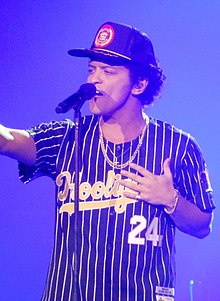
Bruno Mars is an American singer, songwriter, and music producer known for his catchy pop, R&B, and funk songs. He gained fame with hits like 'Just the Way You Are' and 'Uptown Funk', and has won numerous awards, including multiple Grammy Awards.

Bruno Sammartino was an Italian-American professional wrestler who became a cultural icon in the United States. Known for his extraordinary strength and longevity in the wrestling industry, he held the WWWF World Heavyweight Championship for over 11 years across two reigns.
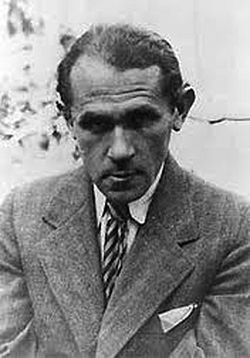
Bruno Schulz was a Polish-Jewish writer and painter, best known for his surreal and symbolic prose. His works, notably 'The Street of Crocodiles', reflect his unique perspective on the world and are considered significant contributions to 20th-century literature.

Bruno Ganz was a renowned Swiss actor celebrated for his roles in both German and international cinema. He is perhaps best known for his performance as Adolf Hitler in 'Downfall', which has become a cultural touchstone due to its intense portrayal of the dictator.


